Baby is a grade label
Baby describes a fibre grade. Compare the supplier’s diameter range and sorting standard.
ALPACA / BUYER GUIDE
Royal, Baby and Superfine are useful starting labels. To compare two materials, look at the specification behind the name.
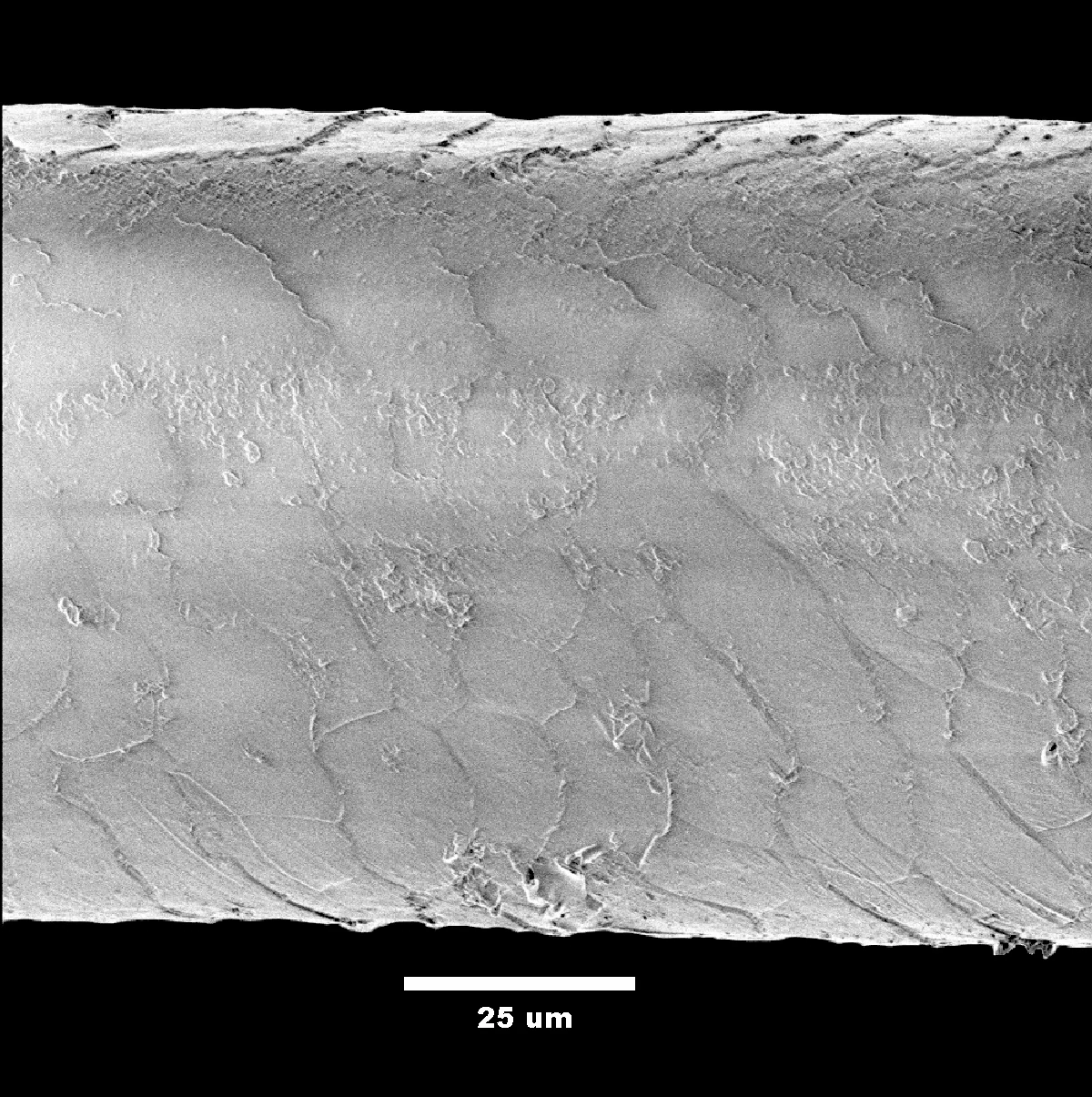
A micron (µm) is one millionth of a metre. In a fibre specification it describes diameter. A reported mean diameter is an average across the tested sample; individual fibres still vary.
A value such as 18.5 µm describes fibre fineness. Yarn construction, knitting and finishing also shape the feel of the finished garment.
Microscope images reveal the fibre’s surface structure. Compare images at the same scale and use diameter measurements to assess fineness.
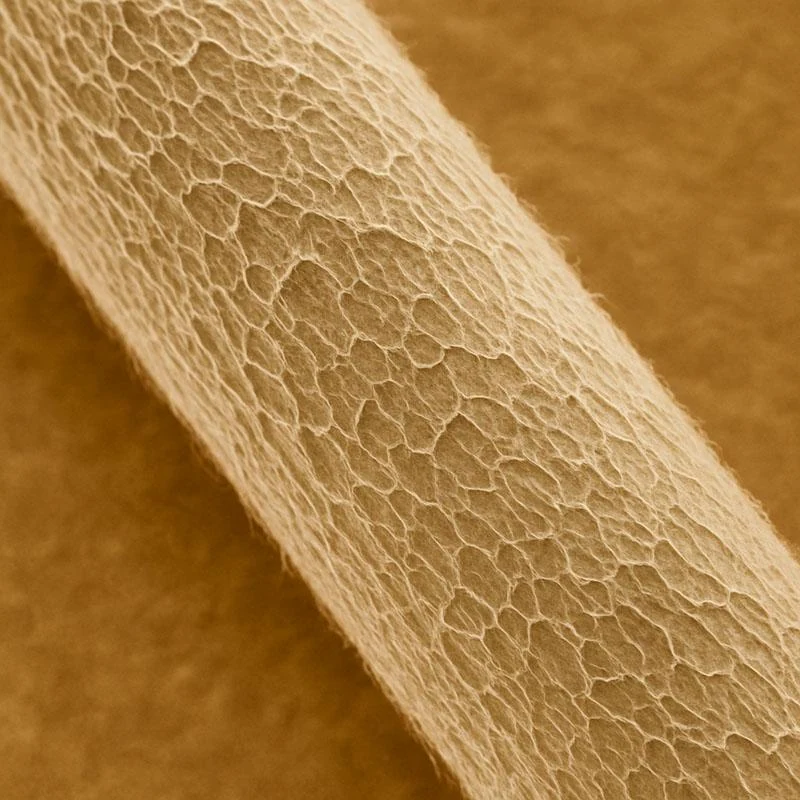
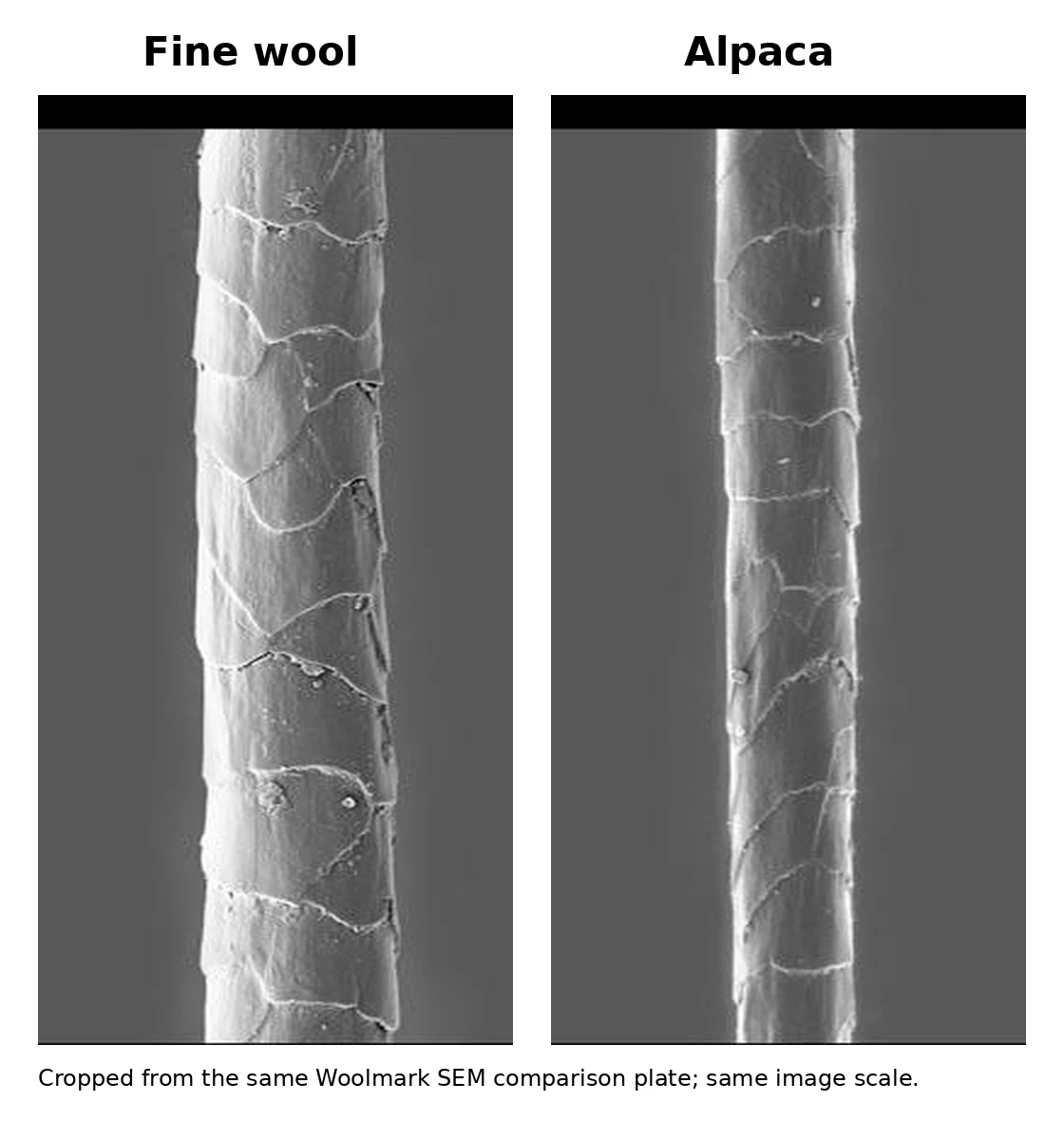
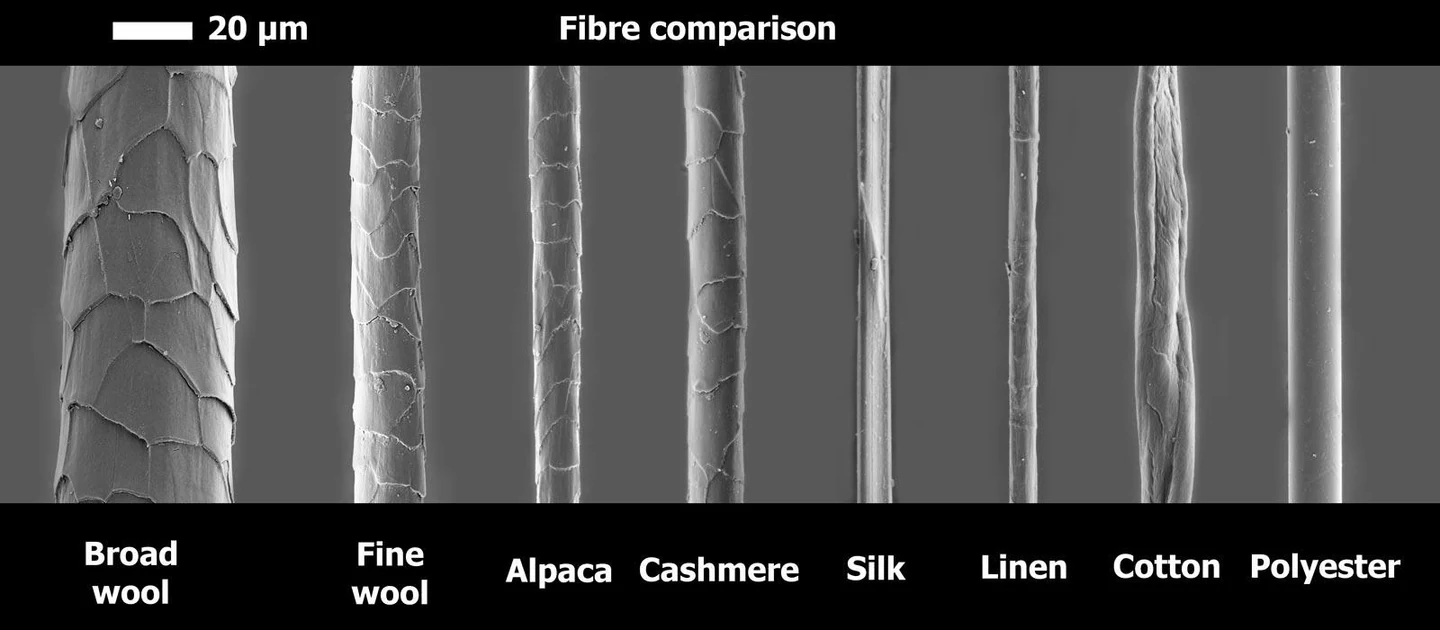
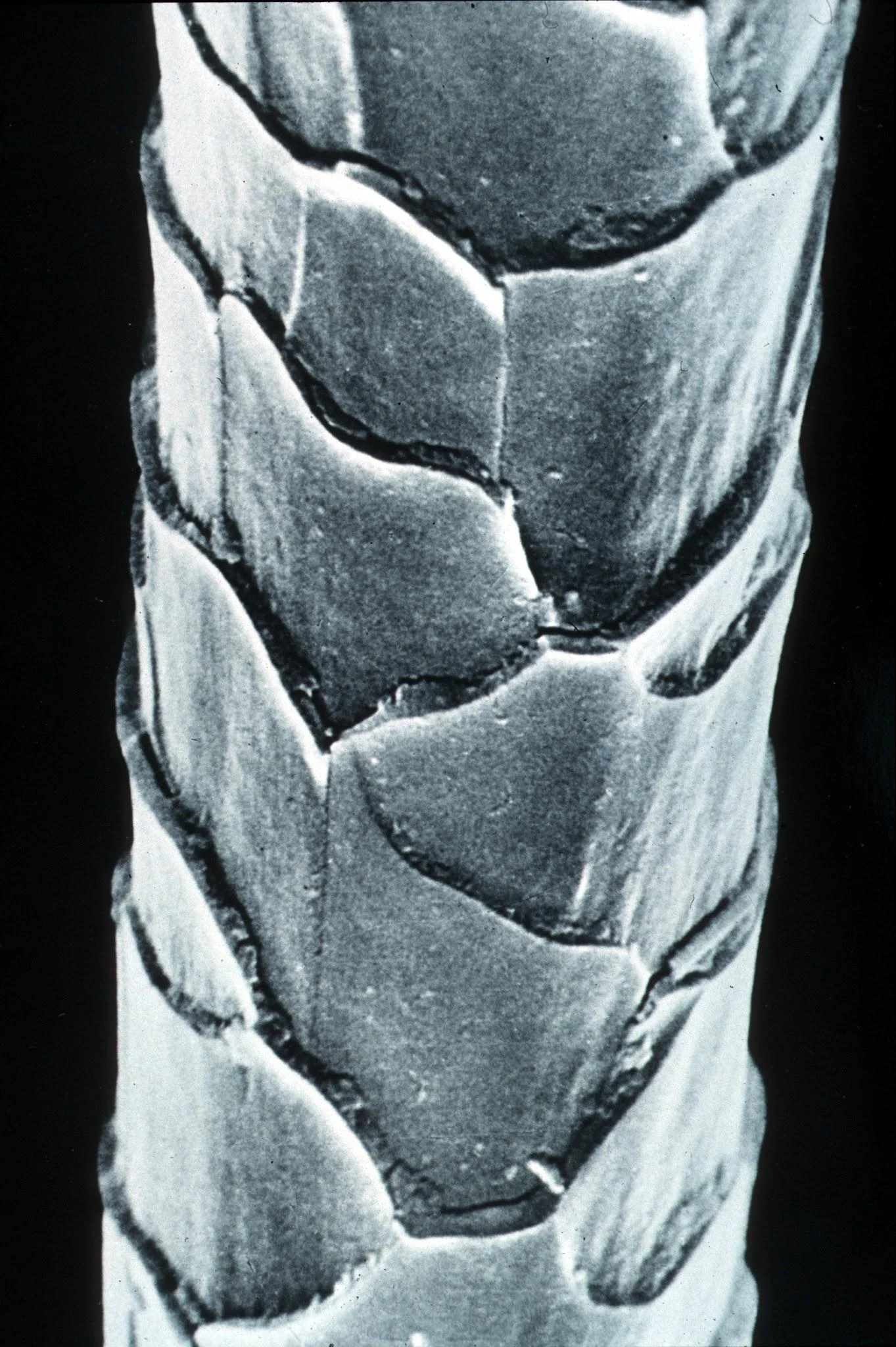
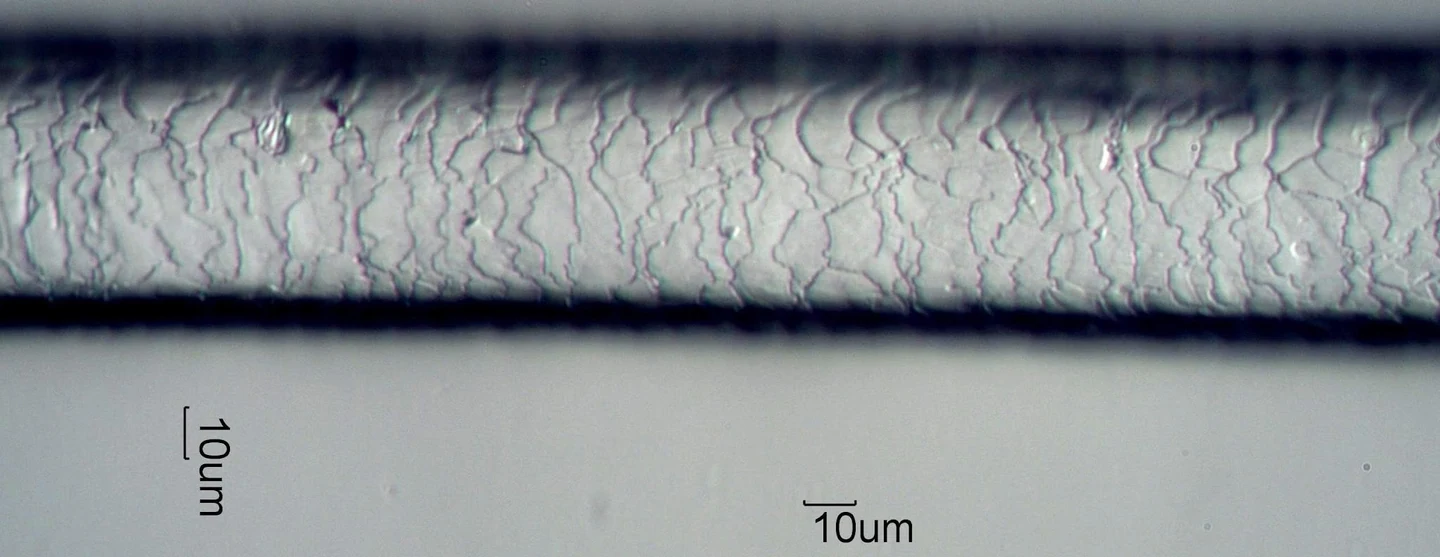
The following published examples show why a grade name needs a supplier specification alongside it.
| Source | Royal | Baby | Superfine |
|---|---|---|---|
| LANGYARNS | Under 19 µm | 21.5–22.5 µm | 25.5–26.5 µm |
| INTIFIL | 19 µm | 22.5 µm | 26.5 µm |
| ILLIMANI Royal I | 18.5–19.5 µm | — | — |
Grade ranges vary by supplier. A dash means no comparison is provided here.
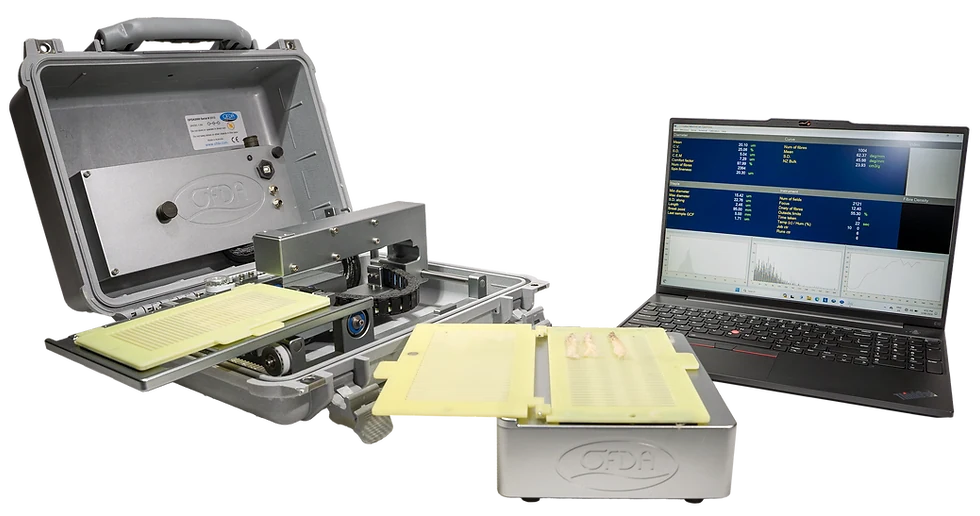
These sample reports and instruments illustrate how fibre measurements are presented.
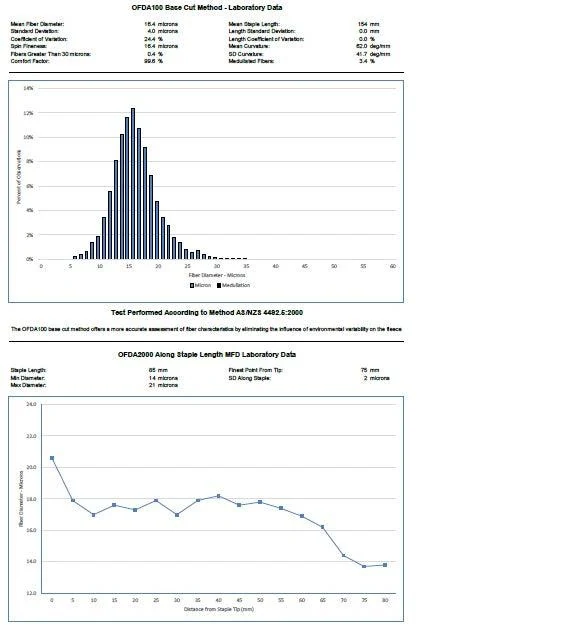
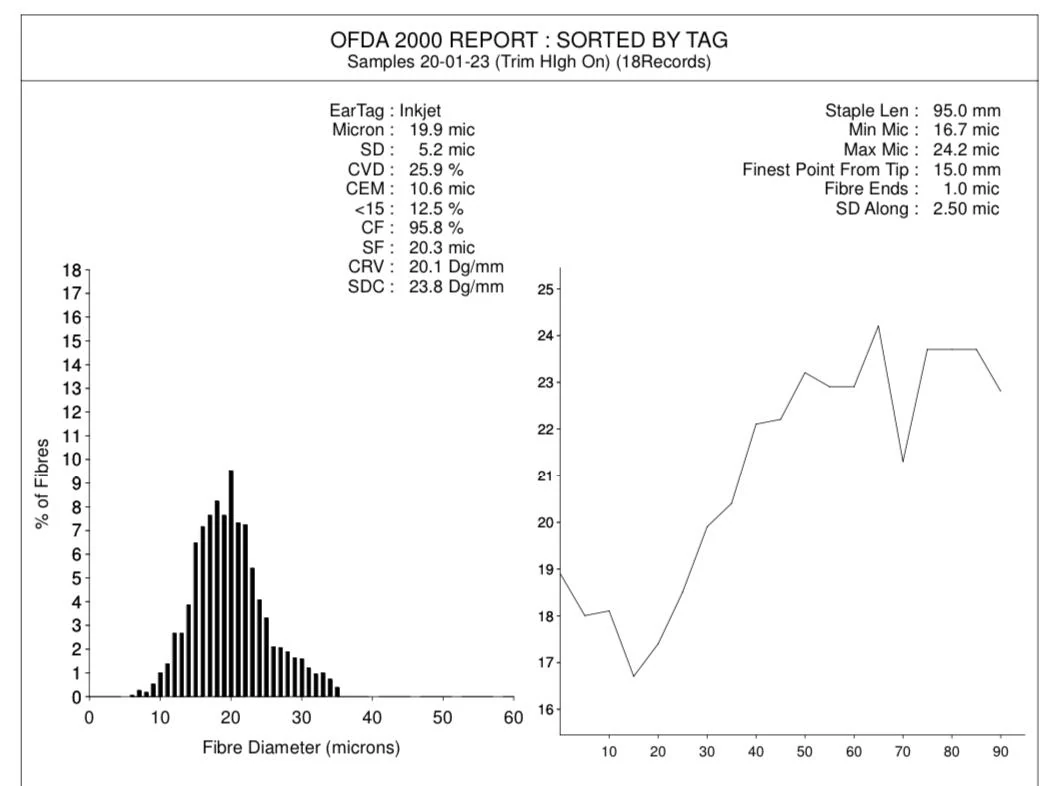
READ THE FULL RESULT
Two samples with the same average diameter can have different fibre distributions. Ask for the test method, sample or lot identity and report date, together with the measurements relevant to your use.
NZWTA’s alpaca testing guidance explains these reporting measures. Use these measurements alongside the intended yarn and finished sample.
Baby describes a fibre grade. Compare the supplier’s diameter range and sorting standard.
Huacaya and Suri are alpaca types. Compare fibre diameter and yarn samples when choosing for a garment.
Composition, yarn construction, knitting and finishing all affect the garment. Compare samples under the intended use and care conditions.
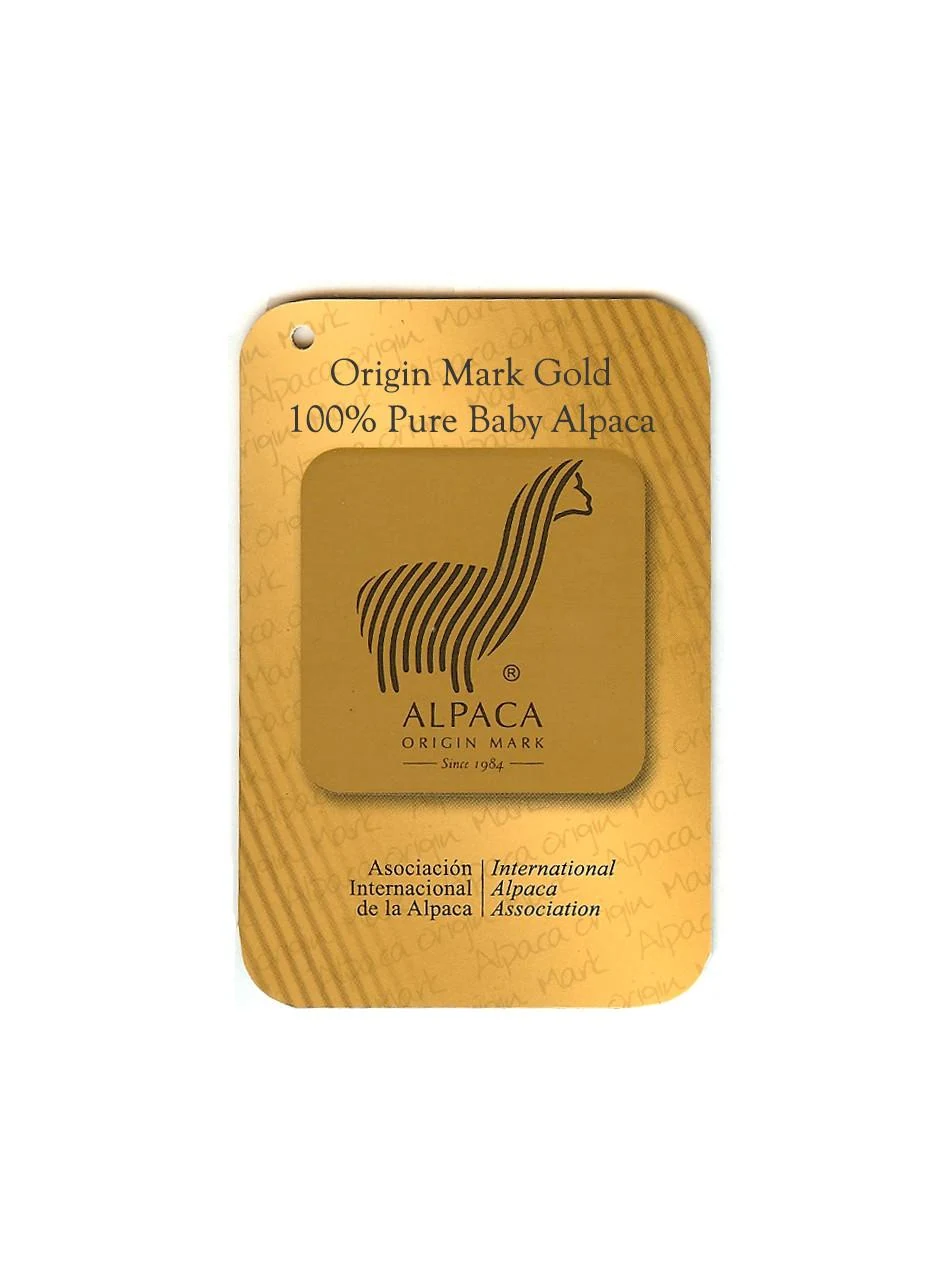
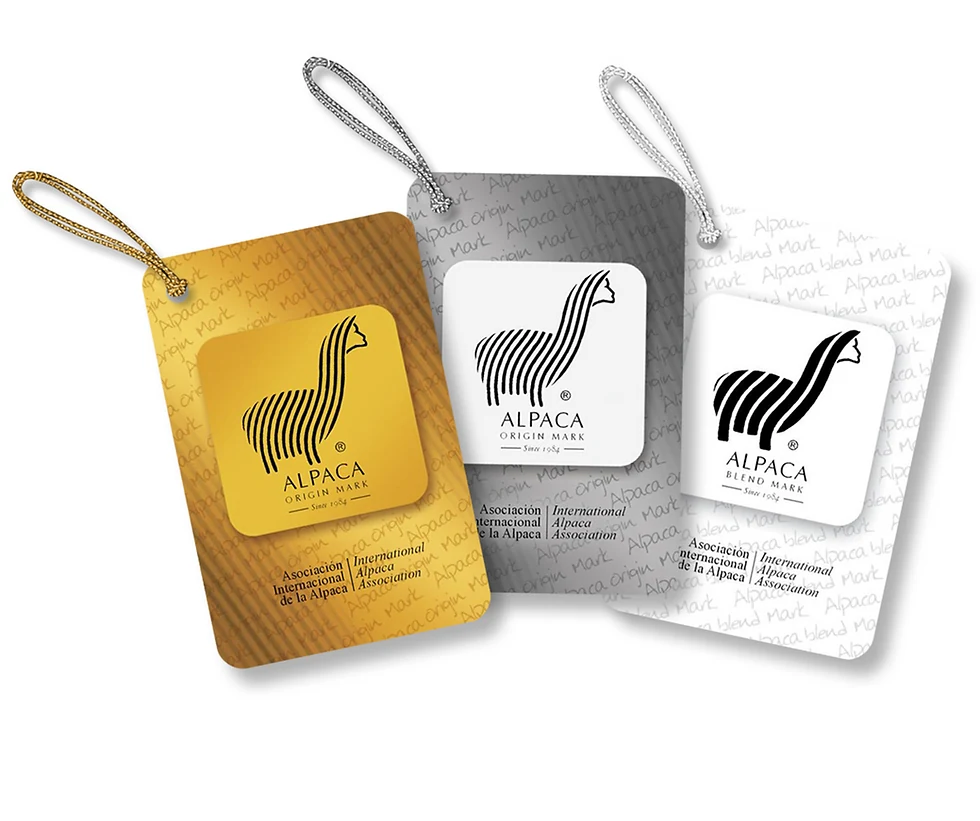
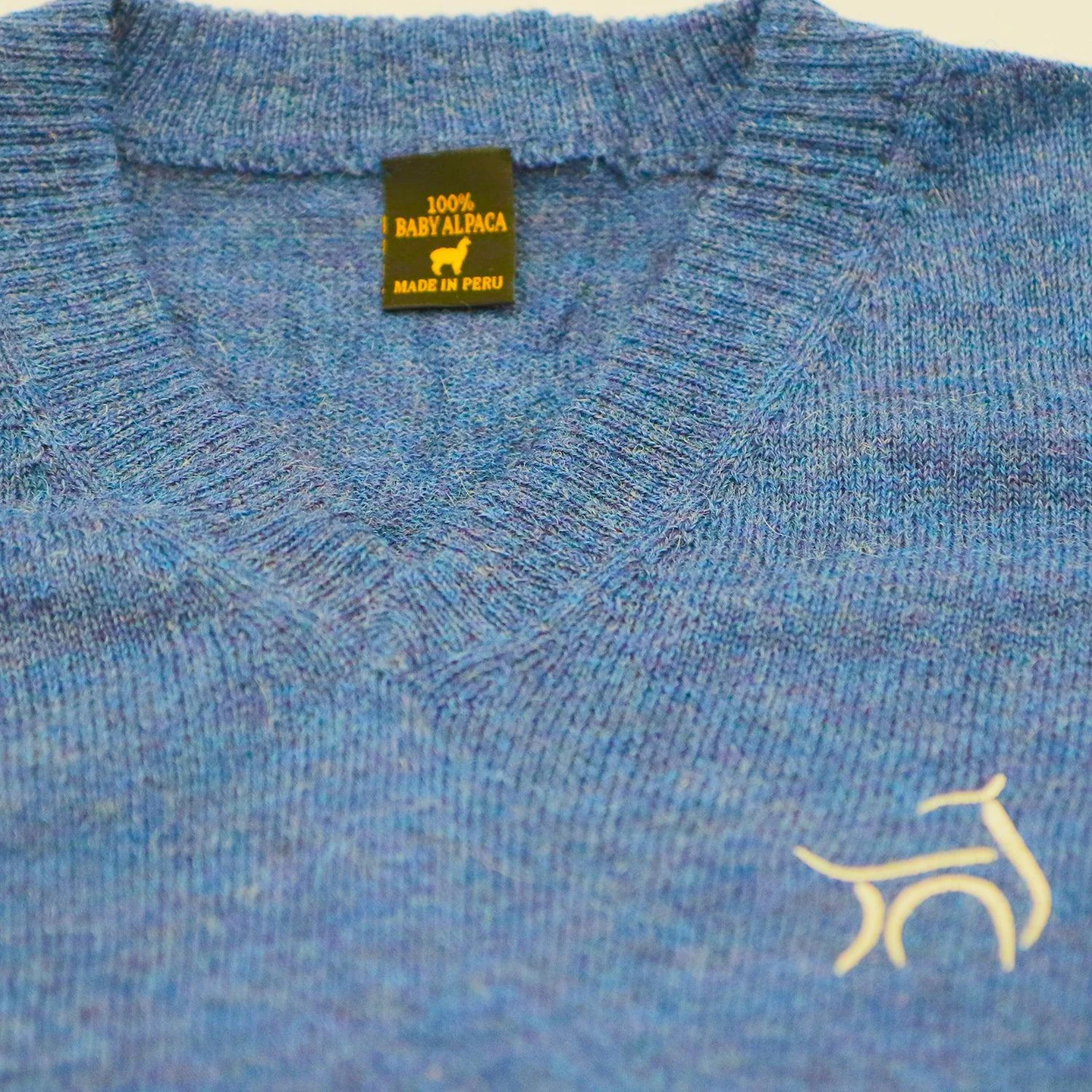
Examples of industry marks, hangtags and garment labels used to communicate fibre and origin.
TALK TO LUMIAO
Explore our ultrafine alpaca offer, or send the specification and intended use you want to compare.